
PIR Sensors
PIR sensors (Passive Infrared Sensors) are a reliable and efficient way to detect motion and automate lighting or security systems in both residential and commercial properties. By sensing infrared radiation emitted from moving bodies, typically people or animals, these sensors trigger lights, alarms, or other connected devices only when needed, helping to reduce energy usage and improve safety.
At CM Electrical, we offer a selection of surface-mounted and flush PIR sensors, suitable for indoor and outdoor applications. Whether you're installing them in a corridor, utility room, warehouse, or entrance area, our sensors are built to offer dependable performance with adjustable sensitivity and time settings.
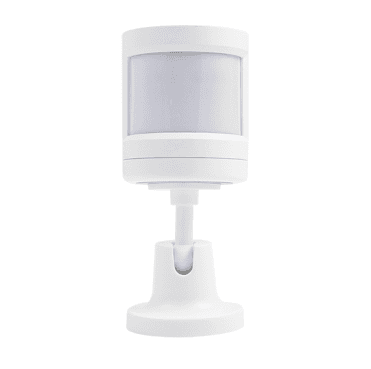
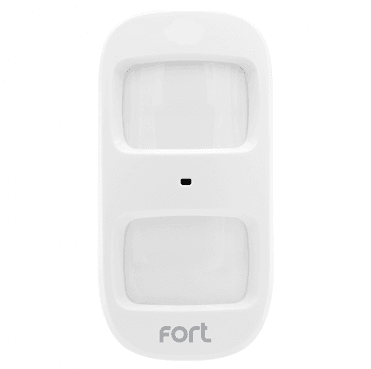
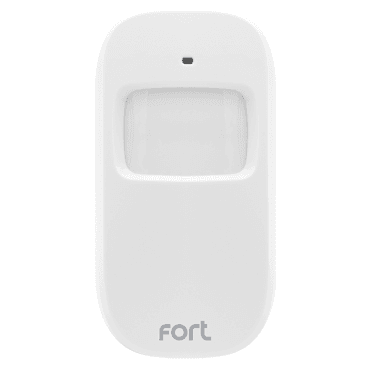

Why Use PIR Sensors?
Automatic Lighting Control – Lights only turn on when needed, helping cut down energy bills.
Security Applications – Commonly used to trigger alarms or CCTV systems when unexpected motion is detected.
Hands-Free Convenience – Ideal for high-traffic or utility areas like hallways, garages, or stairwells.
Improved Safety – Reduces the risk of accidents in dark or unlit areas by providing instant light when movement is detected.
Maintenance-Free Operation – With no switches to press, PIR sensors reduce wear on physical fittings.
How Do PIR Sensors Work?
PIR (Passive Infrared) sensors detect motion by measuring changes in infrared (IR) radiation in their field of view. All living beings emit infrared heat. When a person or animal moves across the detection zone, the sensor picks up the shift in heat levels and triggers the connected device, typically a light, alarm, or camera.
Here’s a simple breakdown of how they work:
● The sensor contains two slots made of a special infrared-sensitive material.
● When the area is still, both slots detect the same amount of infrared radiation.
● When movement occurs (e.g. someone walks into the room), the infrared levels change between the two slots.
● The sensor detects this change and sends a signal to activate the connected device.
Key Points:
● They don’t emit anything – PIR sensors are ‘passive’ because they only detect heat, they don’t send out signals.
● They only react to movement of heat-emitting objects like people or animals, not inanimate objects.
● They are energy-efficient and only operate when motion is detected.
They're widely used in security systems, automatic lighting, and energy-saving setups both indoors and outdoors.
Where Are PIR Sensors Used?
PIR sensors are incredibly versatile and used across a wide range of residential, commercial, and industrial settings to automate lighting, improve safety, and enhance security. Here are some of the most common applications:
Residential Applications
In the home, PIR sensors are used to make everyday life easier, safer, and more energy-efficient.
Hallways and Landings
Installing PIR sensors in corridors or stairwells allows lighting to come on automatically when someone passes through. This is especially useful at night, helping to avoid accidents without needing to search for switches in the dark.
Bathrooms and Toilets
Motion-activated lighting in bathrooms improves hygiene by reducing the need to touch switches. PIR sensors can also be linked to extractor fans, ensuring they operate only when the room is in use.
Driveways and Gardens
Outdoor PIR sensors are commonly used to trigger security lights when movement is detected near driveways, garages, or garden paths. This adds peace of mind and deters potential intruders, especially in poorly lit areas.
Sheds and Utility Spaces
Infrequently used areas like garages, attics, or garden sheds benefit from motion-activated lighting. A PIR sensor ensures the light turns on as soon as someone enters and switches off once they leave, saving energy and adding convenience.
Porches and Entrances
Sensors mounted near front or back doors can automatically illuminate entryways, making it easier to unlock doors and providing a welcoming touch for visitors.
Commercial and Office Use
In commercial settings, PIR sensors help manage lighting and electrical systems to reduce energy waste and improve workplace safety.
Offices and Meeting Rooms
PIR sensors can automatically switch lights off when a room is unoccupied ideal for open-plan offices, private meeting rooms, or shared spaces. This not only lowers energy bills but supports compliance with building regulations on energy use.
Hallways and Stairwells
Motion sensors reduce the need for lights to be left on permanently in areas of intermittent use, such as internal corridors, stairwells, and back-of-house routes.
Restrooms and Staff Toilets
Hands-free lighting in washrooms adds a layer of cleanliness and saves electricity by ensuring the lights only stay on while the space is in use.
Stockrooms and Storage Areas
Busy staff often have their hands full. PIR sensors ensure that lights turn on instantly when someone enters, improving visibility and safety without needing manual control.
Public and Educational Buildings
Schools, hospitals, libraries, and council buildings all benefit from PIR technology.
Classrooms and Lecture Theatres
Sensors detect when rooms are in use and automatically adjust the lighting to suit occupancy. This is particularly useful in schools and universities where rooms may sit empty for hours at a time between sessions.
Libraries and Study Spaces
Quiet areas benefit from automatic lighting that doesn’t require users to fumble for switches. Sensors maintain ambient light while saving energy when the space is unoccupied.
Communal Corridors and Entrance Halls
In large public buildings, PIR sensors ensure that shared areas remain safely lit during peak usage, but automatically switch off lights to conserve energy during quieter times.
Industrial and Warehouse Environments
In large-scale industrial settings, motion-activated lighting reduces operational costs and improves workplace efficiency.
Aisles and Racking Systems
Sensors can be configured to light only the areas in use, reducing the need for full warehouse lighting and cutting down on energy bills.
Workshops and Maintenance Rooms
Motion sensors improve safety by instantly illuminating work areas as staff enter, particularly in darker or isolated zones.
Loading Bays and External Areas
External PIR sensors are often used for floodlights and site security, activating lighting when lorries arrive or personnel access outdoor storage.
Retail and Hospitality
In customer-facing environments, PIR sensors enhance both the experience and operational efficiency.
Customer Toilets and Back-of-House Areas
Motion-activated lights help reduce electricity consumption in staff areas and improve hygiene in customer restrooms.
Changing Rooms and Stockrooms
Retail staff benefit from sensors that light up changing areas or storerooms without needing to use wall switches, making for a smoother workflow.
Outdoor Dining and Smoking Areas
Restaurants, bars, and hotels can install PIR sensors to light up outdoor seating areas as soon as someone steps outside, improving safety and comfort while reducing wasted lighting during off-hours.