
EV/PV Circuit Protection
The demand for reliable and compliant EV (Electric Vehicle) and PV (Photovoltaic) systems is growing rapidly, driven by the shift towards cleaner energy and sustainable technologies. However, installing EV charging stations or solar panels without the correct circuit protection can lead to serious safety risks. At CM Electrical, we supply a specialised range of EV/PV circuit protection devices designed to safeguard installations, protect equipment, and meet the latest UK wiring regulations.
Whether you are working on a domestic EV charger, a commercial solar panel array, or a full-scale energy storage system, we stock protective devices that ensure your installation is compliant, efficient, and safe.
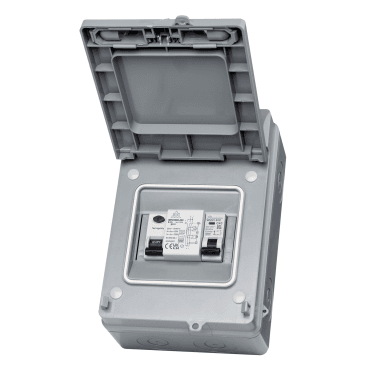
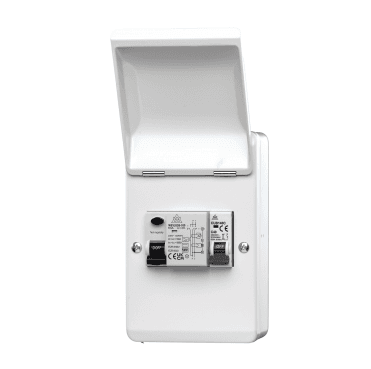
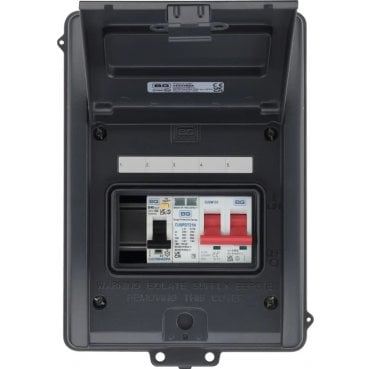
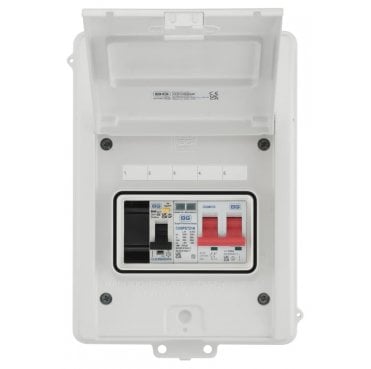
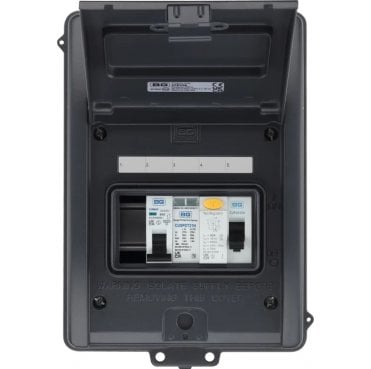
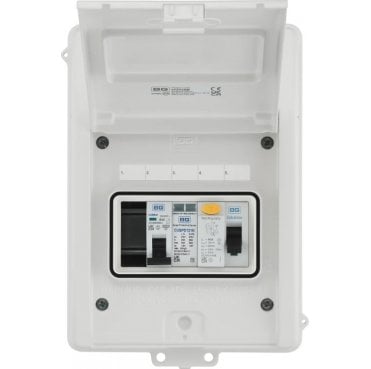
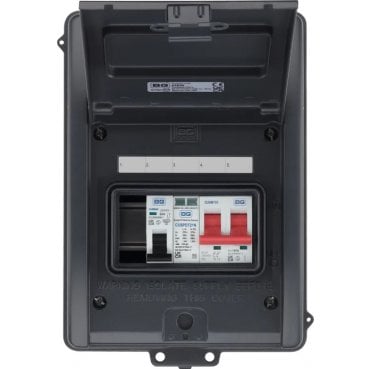
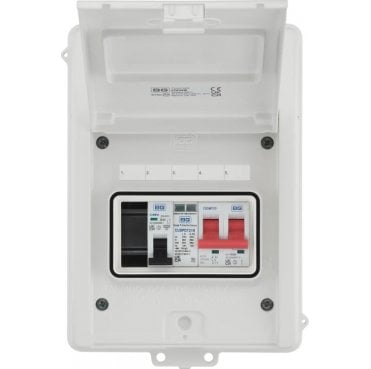
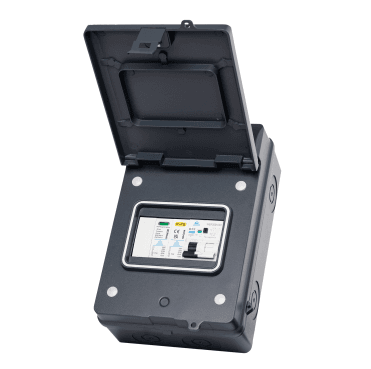
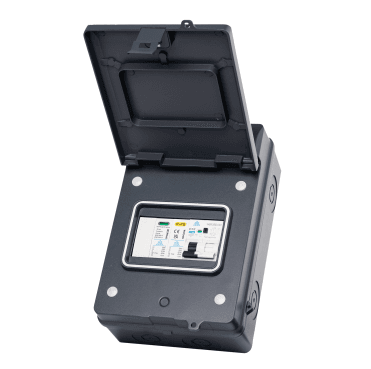
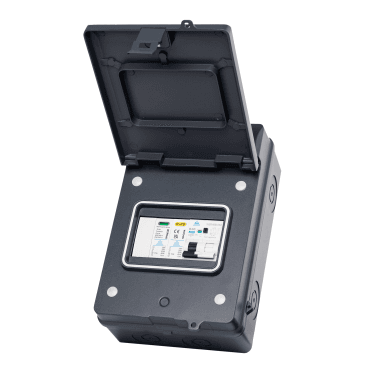
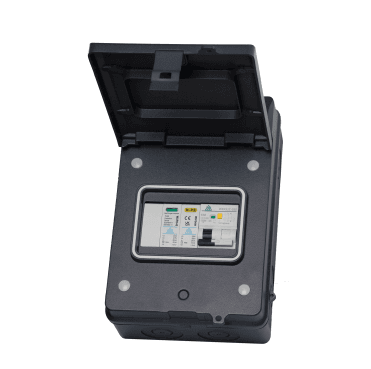
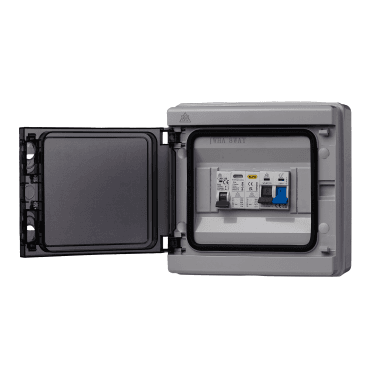
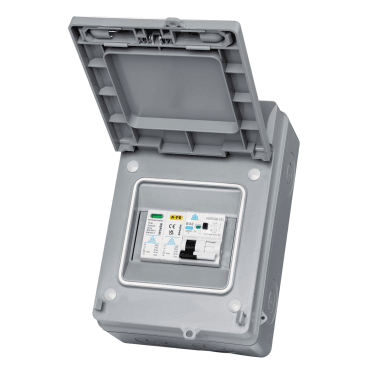
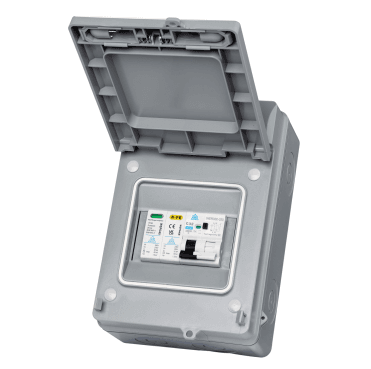
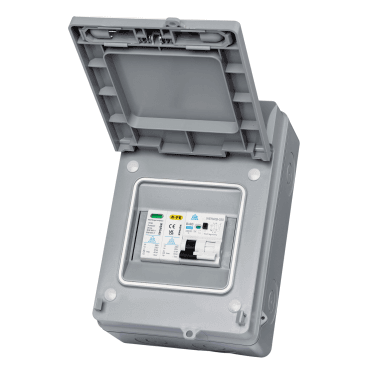
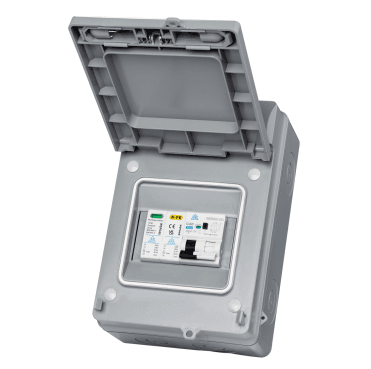
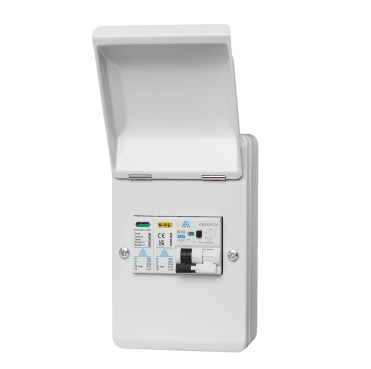
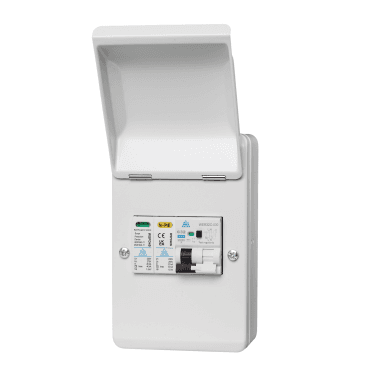
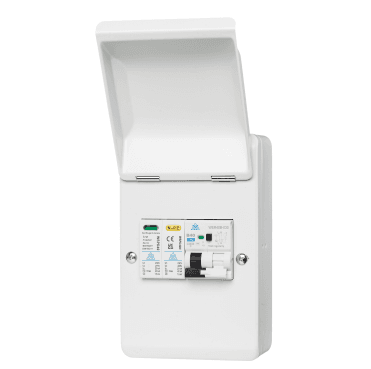
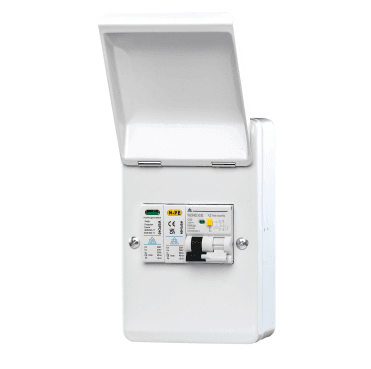
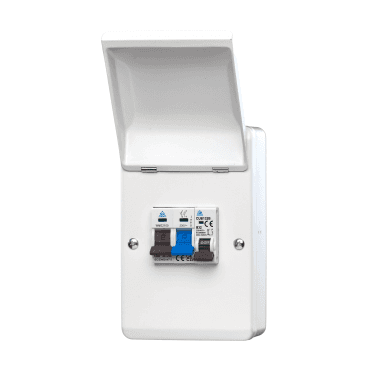
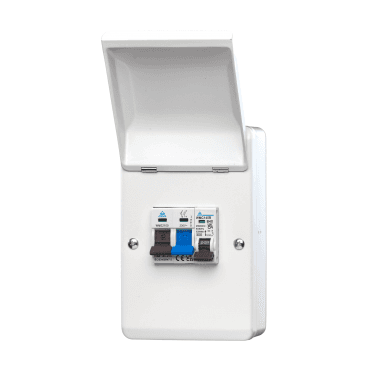
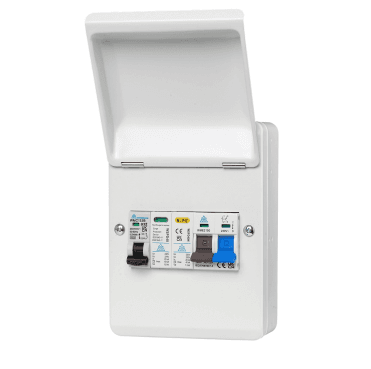
What is EV/PV Circuit Protection?
EV/PV circuit protection refers to a range of electrical safety devices specifically designed for circuits that supply power to electric vehicle chargers or receive power from solar panels. These circuits face unique risks, such as:
● Higher continuous current loads
● Direct current (DC) influences
● Surge voltages and transient currents
● Increased risk of earth faults
Specialist protection is essential to prevent electrical faults, overheating, and fires, while ensuring equipment operates safely and efficiently.
Our Range of EV/PV Circuit Protection Devices
We stock a comprehensive range of devices suitable for a variety of EV and PV installations, including:
MCBs (Miniature Circuit Breakers)
● Protect against overcurrent and short circuits
● Available in a variety of current ratings to suit EV chargers and PV string inverters
RCBOs (Residual Current Breaker with Overcurrent Protection)
● Combine overload and earth fault protection
● Ideal for EV chargers where Regulation 722.531.2.101 requires Type A or Type B protection
RCDs (Residual Current Devices)
● Provide vital protection against earth leakage faults
● Type A RCDs suitable for most EV chargers, while Type B RCDs are used for installations with DC leakage risk
Surge Protection Devices (SPDs)
● Protect sensitive EV chargers and PV inverters from voltage spikes caused by lightning strikes or grid switching events
Fuse Protection
● Suitable for isolating and protecting key parts of EV and PV systems
All our protective devices comply with the relevant standards such as BS EN 61008, BS EN 61009, and BS EN 60898, giving installers and homeowners peace of mind.
Why is Circuit Protection Critical for EV and PV Installations?
Compliance with Regulations: Ensures installations meet 18th Edition Wiring Regulations (BS 7671), particularly Section 722 (EV Charging Installations) and Section 712 (PV Installations)
Protects Expensive Equipment: Prevents costly damage to EV charge points, solar inverters, and associated wiring
Safety for Users and Property: Reduces the risk of electric shock, fire, and system failure
Improved System Longevity: Well-protected systems perform more reliably and last longer
Insurance Requirements: Many insurance providers require proof of compliant circuit
Applications of EV/PV Circuit Protection
Residential EV Charging Points: Single charge point installations on domestic properties
Commercial EV Charging Stations: Multi-bay public or workplace charging hubs
Home Solar Panel Systems: Small domestic PV arrays connected to the grid
Commercial Solar Energy Systems: Larger rooftop or ground-mounted solar panel installations
Energy Storage Installations: Systems that combine PV with battery storage require careful protection planning
Key Factors When Choosing EV/PV Protection Devices
Correct Device Type: Ensure you use Type A or Type B RCDs for EV charging points, depending on charger specifications.
Appropriate Current Rating: Match the protective device to the current demands of the EV charger or PV system.
Surge Protection Requirements: Install SPDs in areas prone to frequent lightning or unstable grid conditions.
Device Coordination: Select protection devices that complement the existing consumer unit or distribution board
Ease of Maintenance and Inspection: Choose accessible solutions that simplify testing and maintenance procedures